
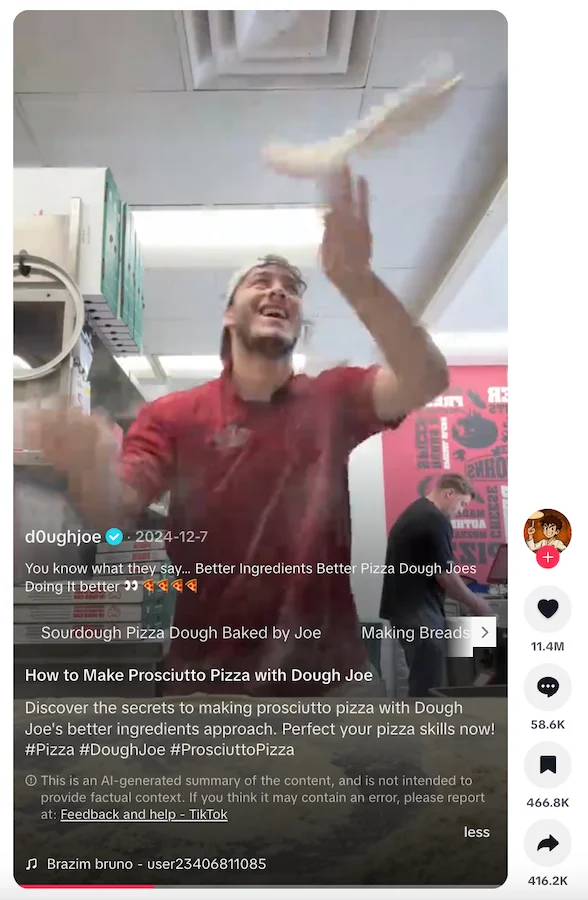
When small business owners ask how much does digital marketing cost for a small business, they usually brace for a number that makes their stomach drop. Agency retainers, ad spend, content creators, influencer fees. The costs stack up fast. But here’s what most budget conversations miss: you already employ your best content creators. They clock in every day, understand your business intimately, and their authentic voices carry more weight than any polished corporate post ever could.
Why Your Employees Are Your Most Underused Marketing Asset
WordStream recently highlighted that their posts featuring employees or shared from employee accounts generate 10X the engagement of standard company content. Ten times. That’s not a marginal improvement. That’s a complete shift in how content performs.
The difference comes down to trust. When your HVAC technician posts a quick video explaining why air filters matter, people listen. When your bakery assistant shares a sunrise photo of fresh croissants coming out of the oven, it feels real because it is real. No stock photos. No corporate speak. Just someone who actually works there, sharing their day. This authenticity cuts through the noise in a way that paid ads struggle to match. We’ve watched our Glendale clients get more meaningful engagement from a single employee Instagram Story than from a month of scheduled posts on the company page.
The Budget Math That Changes Everything
Here’s where employee-generated content (EGC) becomes a budget conversation. Most small businesses spend $2,000 to $10,000 monthly on digital marketing, split between ads, content creation, and social media management. A typical content creator charges $500 to $1,500 for a single polished video. Meanwhile, your team already has phones in their pockets and stories to tell.
We’re not suggesting you eliminate your marketing budget entirely. But when small business owners ask how much does digital marketing cost for a small business, they deserve to know about this cost offset. If employee content can handle 30% of your social calendar, that’s real money returned to other channels. One of our restaurant clients in Atwater Village saved roughly $800 monthly by having servers share their favorite dishes on personal accounts instead of hiring a food photographer every week. The content performed better, too. People wanted to see real recommendations from people who actually taste the food daily.
The ROI extends beyond direct cost savings. Employee content builds brand awareness without the ongoing expense of influencer partnerships. It generates authentic testimonials without paying for customer reviews. And it creates a library of real-world content that you can repurpose across channels, multiplying the value of each piece.
Our Take: This Only Works With the Right Culture
Employee-generated content sounds like a marketing miracle until you try to force it. We’ve seen businesses mandate that staff post twice weekly about the company, complete with branded hashtags and approved messaging. It dies fast. The content feels stiff, employees resent the obligation, and engagement tanks.
The businesses that make EGC work treat it as optional and genuinely appreciate their team’s participation. They create an environment where people actually want to share because they’re proud of what they do or they find their work genuinely interesting. A plumbing company we work with never requires their technicians to post anything. But when someone solves a tricky problem or sees something unusual on a job, they often share it because their coworkers and followers find it interesting. That’s the sweet spot.
Our contrarian point: if your business culture isn’t strong enough to inspire voluntary employee content, that’s a bigger problem than your marketing budget. Fix the culture first. The content will follow.
Three Ways to Start This Week Without Spending a Dollar
You don’t need a formal program or employee social media policy to begin. Start small and see what resonates.
- Ask for behind-the-scenes moments: Request that team members share one interesting thing from their week. A quirky customer request. A problem they solved. The first coffee of a Monday morning. Give them full creative control over how they share it.
- Create a dedicated hashtag: Make it easy to find and reshare employee content by establishing a simple, memorable tag. Our dental client uses #LifeAtSmileCenter. Nothing fancy, but it helps them track what staff share organically and request permission to repost the best pieces.
- Celebrate employee posts publicly: When someone shares something about work, acknowledge it. Comment, share to the company account (with permission), or mention it in the next team meeting. Recognition fuels more participation without requiring mandates.
One warning: always get explicit permission before resharing employee content to company channels. What someone posts on their personal account with 200 followers feels different when it appears on a business page with 5,000. Respect that boundary.
What This Means for How Much Does Digital Marketing Cost for a Small Business
The question of how much does digital marketing cost for a small business has no single answer because every business allocates budget differently based on goals and available resources. But the smartest small businesses recognize that marketing isn’t purely a purchased service. It’s also an organic output of a team that believes in what they’re building.
Employee-generated content won’t replace your Google Ads or SEO work. But it can dramatically reduce your content production costs while improving authenticity and trust, two things you can’t buy regardless of budget. If you’re currently spending $1,200 monthly on stock photos and generic social posts, redirecting even half of that toward channels that drive actual conversions while letting employees fill the content gap makes financial sense.
The businesses we work with that balance paid strategy with organic employee advocacy consistently outperform those relying on one approach alone. They spend smarter, not necessarily more.
The Local Angle
Los Angeles runs on personality and authenticity. People here can smell a corporate facade from a mile away, and they’ll scroll right past it. Glendale’s tight-knit business community especially benefits from employee content because locals want to know the people behind the businesses they support.
When your team shares their real experiences working at your Burbank shop or your Pasadena office, it connects with the community in ways that corporate messaging simply cannot. We’ve seen local businesses gain significant foot traffic after an employee’s post about their daily routine went semi-viral in neighborhood Facebook groups. That visibility didn’t cost a cent in ad spend. It happened because someone shared something genuine, and the algorithm rewarded authenticity.
In a market as competitive and expensive as LA, finding cost-effective marketing channels that actually perform isn’t just smart strategy. It’s survival. Employee-generated content gives small businesses a fighting chance against bigger competitors with bigger budgets, as long as they’re willing to trust their team and let go of corporate polish in favor of human connection.
Sources
- Employee-Generated Content: Tips, Examples, & Benefits – WordStream Blog
