What happens when a tech founder publicly references Will Smith’s Oscar slap to defend his product? You get a masterclass in social media crisis communication, whether he intended it or not.
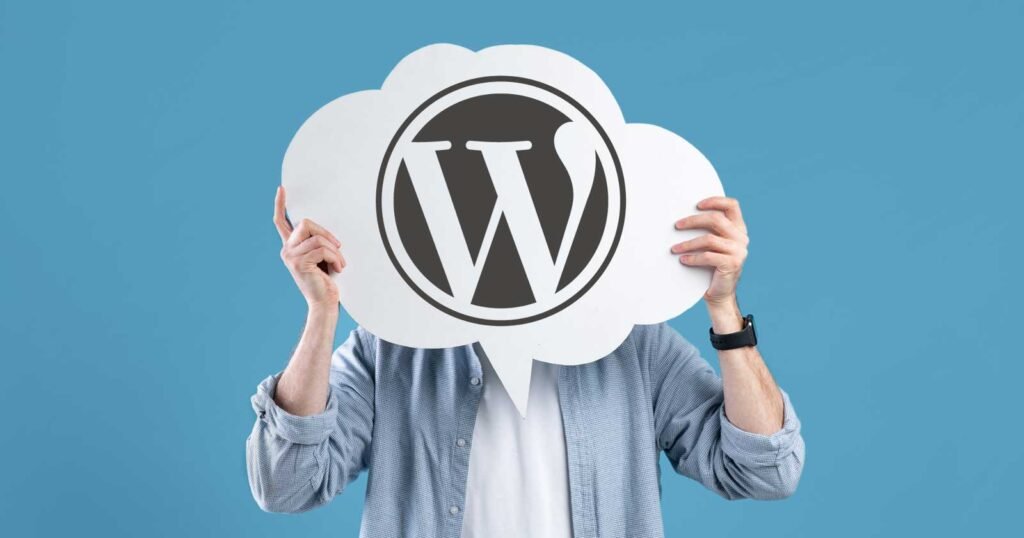
Matt Mullenweg, WordPress co-founder, just showed the internet how to respond to competitive threats with a mix of diplomacy and steel. On April 3, 2026, he fired back at Cloudflare’s announcement that their new EmDash CMS was the “spiritual successor to WordPress.” His response wasn’t just tech drama. It was a textbook example of what happens when you understand your platform, know your audience, and refuse to let competitors control your narrative.
The EmDash Announcement and Mullenweg’s Calculated Response
Cloudflare launched EmDash as an open-source CMS optimized for their infrastructure. Their marketing positioned it as WordPress’s natural evolution. Matt Mullenweg disagreed, loudly and publicly.
His opening move was to highlight what makes WordPress genuinely flexible: you can install it anywhere, on any hosting provider, on virtually any server configuration. EmDash, by contrast, works best on Cloudflare’s own infrastructure. Mullenweg wrote: “You can come after our users, but please don’t claim to be our spiritual successor without understanding our spirit.”
Then he did something interesting. He complimented Cloudflare as “one of the top engineering organizations on the planet,” praised their open-source approach, and even mentioned owning their stock. This wasn’t weakness. It was strategic positioning. He separated the company (which he respects) from their marketing claims (which he rejects).
His final jab: “If you want to adopt a CMS that will work seamlessly with Cloudflare and make it hard for you to ever switch vendors, EmDash is an incredible choice.” Ouch.
What This Teaches You About Platform Independence
Here’s where this matters for your social media strategy. Mullenweg’s core argument is about lock-in. EmDash ties you to Cloudflare’s infrastructure. WordPress runs anywhere. That same principle applies when you’re planning social media marketing campaigns.
We see small business owners make this mistake constantly: they build their entire content strategy on one platform’s native tools. They use Instagram’s scheduler exclusively. They create content only in TikTok’s app. They store everything in Meta Business Suite with no backup.
When that platform changes its algorithm, raises prices, or simply decides your content violates some new policy, you’re stuck. You have no portability. No backup plan. No way to take your content and move it somewhere else without starting from scratch.
How to Create a Social Media Content Calendar That Keeps You Independent
The WordPress versus EmDash fight illustrates a critical principle: own your content creation process outside the platforms where you publish. When you learn how to create a social media content calendar using platform-agnostic tools, you maintain control.
Start with a spreadsheet or a dedicated tool like Notion, Airtable, or even Google Sheets. Map out 30 days of content. Include these columns: post date, platform, content type, copy, image file name, and link destination. Store your images in Google Drive or Dropbox, not just on Instagram or Facebook.
Write your captions in a document editor first. Polish them. Run them through a quick review. Then copy them into each platform’s scheduler. This approach gives you three advantages: you have a backup of every piece of content, you can repurpose posts across platforms easily, and if one platform bans your account or changes its rules, you don’t lose everything.
We tested this with a Glendale retail client last year. They had been creating content directly in Instagram for 18 months. Then Instagram flagged their account for a policy violation (a false positive, eventually resolved). They lost access for six days. They had no record of what they’d posted, no copy of their captions, and no backup images. Those six days cost them roughly $3,000 in lost sales from social traffic.
After that incident, we built them a proper content calendar in Airtable. Now they batch-create content twice a month, store everything in cloud folders, and schedule through a third-party tool. When Instagram changed its API last month and broke their scheduler, they switched to another tool in 20 minutes. Zero downtime.
The Compliment Sandwich Strategy for Handling Competitive Threats
Mullenweg’s response follows what communication experts call the compliment sandwich: say something positive, deliver criticism, end with another positive statement. He praised Cloudflare’s engineering, criticized their marketing claims, then acknowledged their open-source commitment.
This matters when you’re managing your brand’s social media presence. You will face competitors who make exaggerated claims. You will see negative comments. You will deal with comparison posts. How you respond reveals your brand’s maturity.
A Los Angeles coffee roaster we work with faced this last month. A competitor posted on Instagram claiming to be “LA’s only ethical coffee source.” Our client could have fired back aggressively. Instead, they posted their own content highlighting their direct-trade relationships, tagged the competitor respectfully, and said, “We’re glad more roasters are prioritizing farmer relationships. Here’s what we do.” They gained 200 followers that week. The competitor lost 50.
When you understand how to create a social media content calendar that includes response protocols for competitive situations, you avoid reactive mistakes. Build a simple decision tree: if a competitor mentions us, do we respond? If yes, who approves the response? What tone do we use?
Why Open Architecture Beats Vendor Lock-In Every Time
Mullenweg’s fundamental point is that WordPress succeeds because it’s portable. You’re not locked into one host, one infrastructure provider, or one way of doing things. EmDash, for all its technical merits, ties you to Cloudflare.
Apply this to your content production workflow. Use tools that export your data cleanly. Avoid platforms that make it deliberately difficult to leave. Choose schedulers that work across multiple social networks. Store your brand assets in formats anyone can open, not proprietary files that require expensive software.
A Glendale real estate agency learned this the hard way. They used a social media management platform that stored all their listing photos and captions in a proprietary database. When they wanted to switch providers after a price increase, they discovered they couldn’t export their content history. Three years of posts, gone. They had to manually screenshot and recreate hundreds of posts.
Now they follow a simple rule: every piece of content exists in at least two places. Their content calendar lives in Google Sheets. Their images live in Google Drive with organized folders. Their captions are backed up in a shared document. If their scheduler dies tomorrow, they can switch providers in an afternoon.
The Local Angle: What Glendale and LA Businesses Should Learn
Southern California has one of the most competitive social media landscapes in the country. LA influencers and brands set trends that ripple nationwide. Glendale businesses compete with Hollywood-adjacent marketing budgets. You cannot afford to be locked into fragile systems.
When you’re building your social presence in a market this competitive, flexibility is survival. The brand that can pivot fastest when Instagram changes its algorithm wins. The business that can shift budget from Meta to TikTok in 48 hours captures opportunities competitors miss.
We’ve watched dozens of local businesses lose momentum because they couldn’t adapt quickly. Their content was trapped in tools they’d outgrown. Their workflows depended on platforms that changed policies overnight. Their teams didn’t know how to create a social media content calendar that worked across multiple channels.
The Mullenweg versus Cloudflare dispute is ultimately about control. Who controls your content infrastructure? Who decides how you publish? Who owns the relationship with your audience? If the answer isn’t “you,” then you’re building on rented land. And in social media, the landlord can evict you without notice.
Sources
Mullenweg To Cloudflare: Keep WordPress Out Of Your Mouth – Search Engine Journal
