
The numbers sound impressive: 85% of marketers now use AI tools for content creation. Every agency newsletter touts workflow acceleration and content at scale. But here’s the uncomfortable question nobody’s asking: does churning out more blog posts, social captions, and product descriptions actually improve your search rankings? For most small businesses, the answer is no. The gap between content volume and SEO performance has never been wider.
The real challenge isn’t generating content anymore. It’s creating content that Google rewards, that humans actually want to read, and that converts visitors into customers. That distinction matters especially for local businesses competing in specific markets where relevance and authority trump raw output every single time.
Why Every Tool List Misses the Point
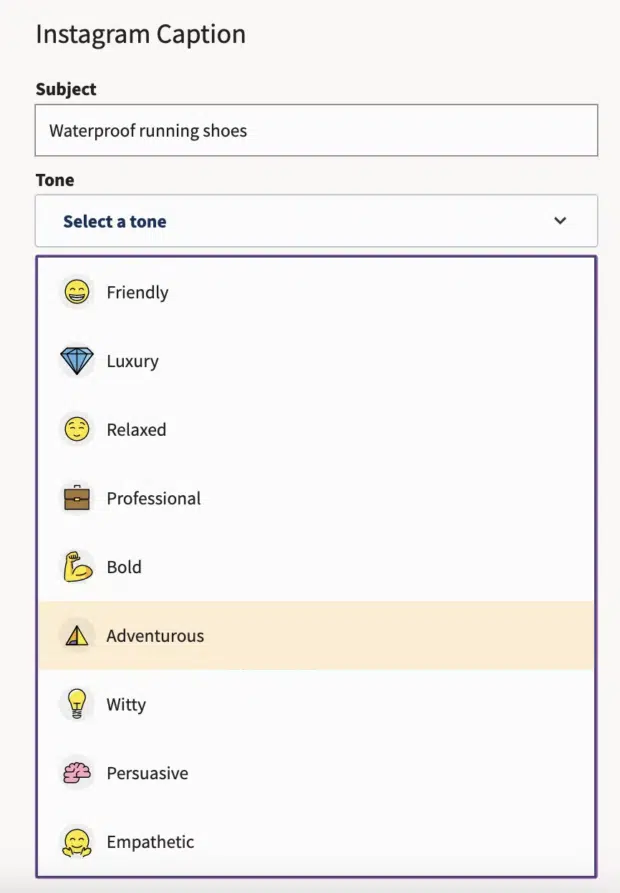
Hootsuite’s recent roundup features 18 AI-powered content creation tools, from OwlyWriter to Midjourney. The list includes caption generators, video editors, translation services, and visual design platforms. Each tool promises to “simplify your workflow” and help teams “create content faster.” None of them promise better search rankings. That’s not an oversight.
We’ve tested dozens of these tools over the past year. They excel at one thing: producing serviceable first drafts quickly. OwlyWriter can generate social captions based on your best-performing posts. Jasper can write blog outlines. Descript can edit video transcripts. But here’s what they cannot do: understand your market positioning, identify search intent for your specific geography, or build the topical authority that Google actually ranks.
The SEO Problem With AI-Generated Content
Google’s algorithms have become remarkably good at detecting thin, formulaic content. The March 2024 core update specifically targeted sites publishing high volumes of low-value AI content. Sites that leaned too heavily on automated writing without human expertise saw traffic drops of 40-60%. The pattern was clear: more content did not equal more visibility.
For businesses seeking SEO services that actually work, the focus has shifted from content quantity to content quality and strategic optimization. That means understanding which keywords your local competitors rank for, what search intent looks like in your specific service area, and how to structure content so Google recognizes your topical authority. AI tools can speed up the writing process, but they cannot replace that strategic foundation.
The disconnect shows up in our client data constantly. We see Glendale businesses publishing three blog posts per week using AI tools, yet their organic traffic stays flat or declines. Meanwhile, competitors publishing one thoroughly researched, expertly written post per month see steady growth. The difference isn’t the writing tool. It’s the strategy behind the content and the optimization work that happens after the first draft.
What Actually Drives Local Search Rankings
Search visibility for local businesses depends on factors that no AI writing tool addresses. Google My Business optimization, local citation consistency, review management, and geographic relevance signals matter more than blog volume. A Glendale bakery won’t outrank competitors by publishing 50 AI-generated recipes. They’ll win by optimizing for “bakery near me” searches, managing their Google Business Profile, earning local backlinks, and creating content that demonstrates genuine expertise in their specific neighborhood.
When we evaluate SEO services for Glendale businesses, we look for agencies that understand this reality. The best local SEO strategies combine technical optimization, local signal building, and selective content creation. AI tools can support that work, but they cannot replace the strategic decisions about which keywords to target, which content formats serve your audience best, or how to structure your site for maximum crawlability.
Our take: AI content tools work best as research and drafting assistants, not as complete solutions. Use them to generate blog outlines, brainstorm headline variations, or draft initial social posts. But invest human expertise in the strategic work: keyword research, competitive analysis, content structure, and the optimization details that actually influence rankings.
How to Use AI Tools Without Hurting Your SEO
If you’re going to use AI content tools, do it strategically. Here’s the approach that protects and improves search performance:
Start with keyword research, not content generation. Before you prompt any AI tool, identify the specific search terms your target customers use. For local businesses, that means geographic modifiers and service-specific phrases. A Glendale dental practice should target “emergency dentist Glendale” or “family dentistry near me,” not generic health content. Use tools like Google Keyword Planner or Semrush to find actual search volume and competition data.
Use AI for outlines and first drafts only. Let tools like ChatGPT or Jasper generate initial structure and rough content. Then rewrite substantially. Add specific examples from your business experience. Include local references and details that only someone in your market would know. Google’s algorithms increasingly reward content that demonstrates genuine expertise and first-hand knowledge. No AI tool can fake that.
Optimize manually for search intent. AI tools write for generic audiences. You need to write for the specific intent behind each search query. Someone searching “Glendale SEO services” wants to evaluate local agencies. They need pricing information, service details, case studies, and clear next steps. Generic content about SEO best practices doesn’t match that intent. Review your AI-generated drafts specifically for intent alignment before publishing.
Add structured data and technical optimization. Even perfectly written content won’t rank without proper technical setup. That means schema markup for local businesses, optimized title tags and meta descriptions, internal linking to related service pages, and mobile-friendly formatting. Most AI writing tools ignore these elements entirely. You need human expertise or specialized SEO services to handle the technical layer.
Build genuine authority through links and citations. AI can write content, but it cannot earn backlinks or build your reputation in the local business community. Focus human effort on outreach, partnership building, and creating genuinely linkable resources. A single high-quality local backlink from a Glendale business association or community site will improve your rankings more than ten AI-generated blog posts.
For Small and Local Businesses
If you’re running a small business in Glendale or anywhere else, don’t let the AI hype distract you from fundamentals. You don’t need 18 different content tools. You need a clear SEO strategy, consistent execution, and patience. The businesses winning local search right now focus on three things: keeping their Google Business Profile updated, earning genuine customer reviews, and creating a small amount of highly relevant content each month.
When evaluating SEO services for Glendale businesses, look for agencies that talk about strategy before tools. Ask about their approach to local search signals, how they handle Google Business Profile optimization, and what their content creation process actually involves. If an agency promises to publish 20 blog posts per month using AI tools, that’s a red flag. You want partners who understand that local SEO success comes from relevance and authority, not content volume.
The most effective approach combines selective AI use with human expertise. Use AI tools to speed up research and drafting. Invest human time in strategy, optimization, and the unique insights that actually differentiate your content. That balance works. Pure automation does not.
Sources
18 AI-powered content creation tools to simplify your workflow – Hootsuite Blog
