
Most local businesses are wasting their social media budget shouting at people who will never buy from them. The old playbook of casting the widest net possible is dead. What works now is going narrow, getting specific, and building relationships with micro-communities that are already looking for what you offer. This shift from broadcasting to participating changes everything about how small businesses should think about social media.
Why Mass Appeal Marketing No Longer Works for Small Businesses
The landscape has shifted dramatically over the past two years. When everyone is competing for attention in crowded feeds, generic content gets ignored. Paula Perez, who built social strategies for Oatly before founding Feeling Seen Studio, puts it clearly: audiences right now are all about the niche. We have watched clients dump money into broad Facebook campaigns targeting “women 25-54 interested in shopping” and wonder why their cost per acquisition keeps climbing.
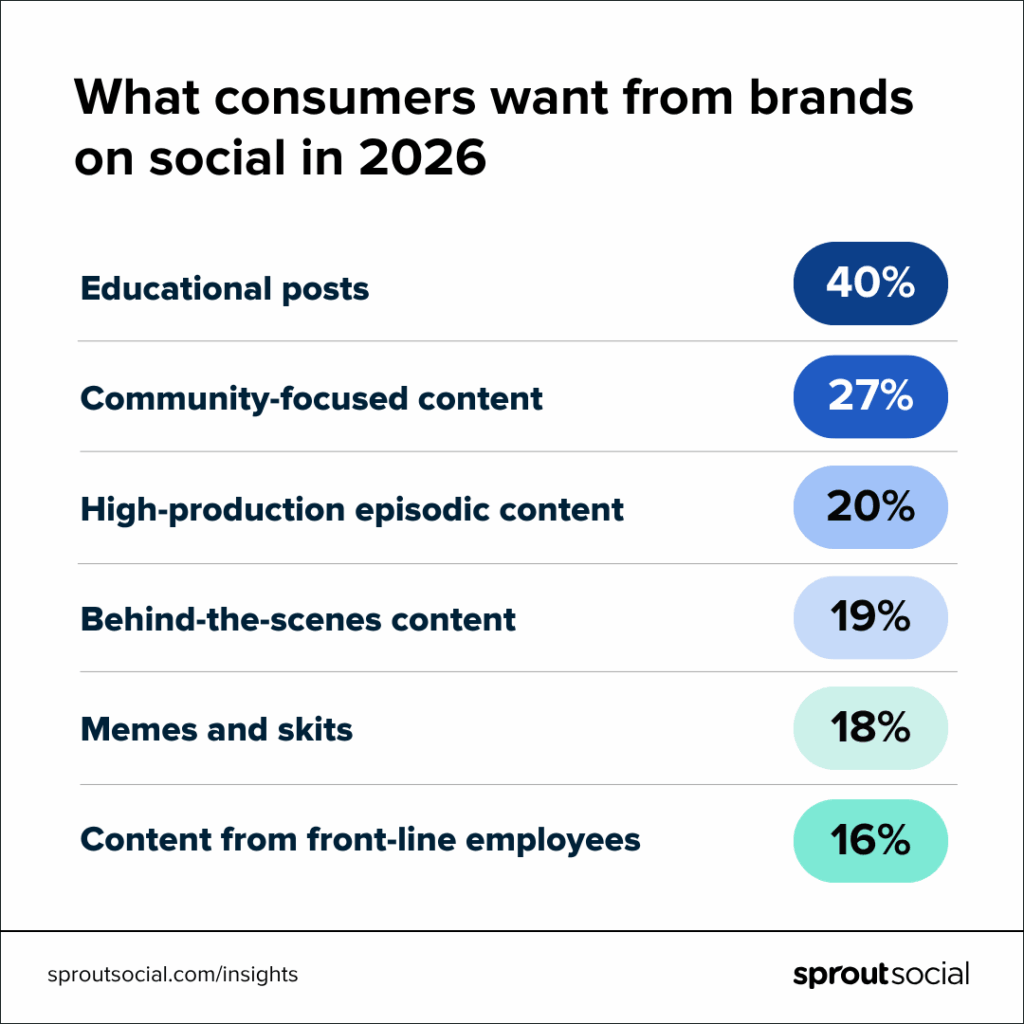
The data backs this up. According to Sprout Social’s Q1 2026 Pulse Survey, community-focused content ranks as the second most popular content type consumers want from brands. People do not want to be sold to by faceless corporations. They want brands that understand their specific world, whether that is vintage car restoration in Pasadena or gluten-free baking communities in Silver Lake. The businesses winning on social are the ones speaking directly to these tight-knit groups.
How Social Listening Reveals Your Most Valuable Customers
Social listening is not just monitoring brand mentions. It is about uncovering the conversations your ideal customers are already having without you. During her time at Oatly, Perez identified distinct niche audiences including cycling enthusiasts, specialty coffee baristas, and food bloggers. Each group had different needs, different language, and different reasons for caring about oat milk.
Think about what this means for a digital marketing strategy for local businesses. A boutique fitness studio in Glendale should not be targeting “people interested in fitness.” Instead, they should find the specific communities talking about postpartum recovery, or powerlifting for women over 40, or mobility training for desk workers. These groups are smaller, but conversion rates are exponentially higher because you are speaking their language.
The key is getting granular. Perez emphasizes getting as niche and specific as possible when building a social listening strategy. For local businesses with limited budgets, this precision matters even more. You cannot afford to waste impressions on people who will scroll past. Better to reach 500 people who are actively searching for your solution than 5,000 who might notice you.
A Framework for Identifying Your Niche Audiences
Not every niche deserves your attention. Here is how to evaluate which communities will actually move the needle for your business:
Start with brand alignment. Ask whether a niche community actually cares about what makes your business different. A sustainable home goods store should look for zero-waste communities and minimalist lifestyle groups, not generic home decor audiences. If your core value is supporting local artisans, find communities passionate about handmade goods and anti-mass-production values. Misalignment here wastes everyone’s time.
Evaluate growth potential. Some niche communities are thriving and expanding, while others are stagnant or declining. Use social listening tools to track conversation volume over time. Look at hashtag growth, group membership trends, and content engagement patterns. A niche audience of 2,000 highly engaged members who post daily is more valuable than 20,000 passive followers in a dying forum.
Find the gaps competitors are ignoring. The real opportunity lives in communities where no one is serving them well yet. Perez calls this looking for blank space where communities are not being engaged. We have seen local restaurants blow up by being the first to authentically engage with specific food communities, like natural wine enthusiasts or people with specific dietary restrictions beyond the usual gluten-free options.
Test before committing. Spend two weeks actively participating in a potential niche community before creating content for them. Comment on posts, answer questions, and see if people respond. If the community ignores you or pushes back, move on. If they engage and ask questions, you have found your people.
Building a Digital Marketing Strategy for Local Businesses Around Niche Communities
Once you have identified your niche audiences, your entire content strategy should shift. Stop creating generic posts hoping to appeal to everyone. Instead, create content that only makes sense to your specific communities. Inside jokes work. Hyper-specific references work. Content that makes outsiders say “I don’t get it” while insiders say “this is exactly for me” is the goal.
Structure your content calendar around niche community rhythms. If you are targeting local cycling communities, create content around group ride schedules, popular route discussions, and cycling events specific to your area. Show up in the conversations that already exist rather than trying to force new ones. Our take is that participation always beats broadcasting.
Measure success differently too. Forget vanity metrics like follower count or total reach. Track niche-specific engagement: are members of your target community commenting, sharing your content within their groups, and most importantly, converting to customers? A post with 200 impressions but 15 comments from ideal customers beats 2,000 impressions with zero meaningful engagement.
For Small and Local Businesses
You have a huge advantage over national brands here. You can get more specific than they ever could. A coffee shop in Burbank can target the specific community of animation industry workers who need a third-place workspace near the studios. A bookstore in Los Feliz can own the extremely online literary fiction community in Los Angeles. Big brands cannot touch this level of specificity without looking fake.
Start with one niche community. Not three, not five. Pick the single most aligned audience and go deep for 90 days. Join their Facebook groups, follow their hashtags, comment on their Reddit threads, and actually listen before you post. Use free tools like Google Alerts for niche keywords, Twitter advanced search for local conversations, and Instagram location tags to find hyperlocal communities.
The investment here is time, not money. You do not need expensive social listening software when you are starting out. You need someone on your team who genuinely cares about or participates in the niche community you are targeting. Authenticity cannot be faked, and niche communities smell marketing BS from a mile away. If you are a running store trying to connect with trail running communities, hire someone who actually runs trails, not just someone who can schedule posts.
