
Are your email campaigns hitting the mark, or are you just shouting into the void? Most small business owners track open rates and clicks, but they miss the real goldmine: what people actually say about their brand when they think you’re not listening.
Social media monitoring tools have evolved far beyond vanity metrics. In 2026, they’ve become essential for small businesses trying to make every marketing dollar count. The surprising part? These same tools that track Twitter mentions and Instagram comments can completely reshape how you approach email marketing.
What Social Monitoring Reveals About Your Email Strategy
Hootsuite’s recent breakdown of 15 monitoring tools highlights something we’ve seen repeatedly at Atmos Digital: the gap between what businesses think customers want and what they actually discuss online. One client spent three months perfecting product emails while their audience was actively complaining on Facebook about shipping times. Their open rates were decent at 22%, but conversions stayed flat.
When we started monitoring social conversations, we discovered customers wanted transparency updates, not more product pitches. We shifted their email strategy to include shipping notifications and behind-the-scenes content. Conversions jumped 34% in six weeks.
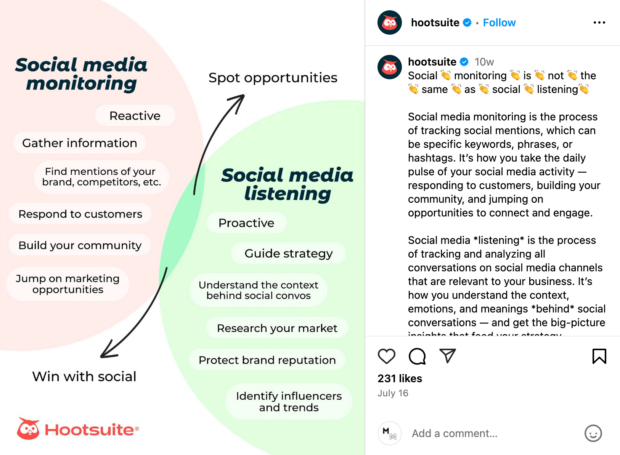
Social media monitoring tracks specific keywords, hashtags, and brand mentions across platforms in real time. Tools like Hootsuite, Sprout Social, and Brandwatch scan millions of posts to show you exactly what people say about your business, your competitors, and your industry. For small businesses running lean teams, this intelligence is invaluable.
Why Small Businesses Need Both Email and Monitoring
Here’s our take: email marketing without social monitoring is like driving with your eyes half-closed. You see the road directly ahead, but you miss the exits, the detours, and the warning signs.
Katelyn Rhoades from Enfluence Marketing Studio told Hootsuite that monitoring tools are crucial for data-driven decisions because they provide insights into customer sentiment, brand reputation, and competitor activity. That sentiment data should directly inform your email content calendar. If your monitoring tool shows customers are frustrated about a specific feature, your next email should address it head-on. If competitors stumble with a product launch, your email can position your solution as the stable alternative.
We worked with a Glendale-based e-commerce brand that sold artisanal coffee. Their email list had 8,000 subscribers but engagement was mediocre. Social monitoring revealed that their audience constantly discussed sustainability and ethical sourcing on Instagram and Reddit, topics their emails barely mentioned. We restructured their email content to lead with their sourcing story and farmer partnerships. Open rates climbed from 18% to 31% within two months.
Email Marketing Tips for Small Business Using Monitoring Data
The most effective approach combines monitoring insights with targeted email campaigns. Here’s how to actually do it:
- Mine social conversations for subject lines. Track the exact phrases your audience uses when they discuss problems your product solves. Use that language in your email subject lines. It feels familiar and relevant because it is.
- Segment based on sentiment. Not all subscribers are equally happy. Use monitoring tools to identify brand advocates versus at-risk customers. Send different email content to each group. Advocates get referral requests and exclusive previews. At-risk customers get personalized support offers.
- Time your emails around trending topics. When monitoring shows a spike in industry discussions, send a timely email that adds value to the conversation. You’ll catch people when the topic is already on their minds.
- Test competitors’ pain points. Monitor what customers say about your competitors’ weaknesses. If you solve those problems better, create email campaigns that address those specific pain points without directly naming competitors.
- Create content from real questions. Every question customers ask on social media is potential email content. Compile the most common questions monthly and answer them in a dedicated email series.
Another practical email marketing tip for small business owners: set up alerts for brand mentions that indicate purchase intent. When someone asks for recommendations in your category on Twitter or Reddit, monitoring tools flag it instantly. You can then send a personalized email to that person (if they’re already on your list) or create targeted content for similar prospects. This kind of responsiveness is impossible without proper monitoring.
The LA and Glendale Small Business Reality
Small businesses in Los Angeles and Glendale face unique challenges. Competition is fierce, budgets are tight, and customers expect the personalized service of a local shop with the efficiency of a tech startup. Social monitoring helps level the playing field.
A Glendale restaurant client used monitoring to track neighborhood food conversations. They discovered that local families were actively seeking kid-friendly dinner options on weekday evenings. Their email list had always received the same promotional blasts for date nights and happy hours. We segmented their list and created a family-focused email campaign highlighting their kids’ menu and early-bird specials. Weekday dinner reservations increased 41%.
LA’s diverse, trend-conscious market moves fast. What’s hot in Silver Lake might not resonate in Woodland Hills. Monitoring tools help small businesses understand these micro-trends and adjust email messaging accordingly. Our social media marketing work consistently shows that businesses who monitor and respond quickly outperform those who plan campaigns months in advance without real-time feedback.
Choosing Tools That Actually Fit Small Business Budgets
Most monitoring tool roundups focus on enterprise platforms with enterprise price tags. Small businesses need different criteria. We look for tools that integrate directly with email platforms, offer affordable starter plans, and don’t require a data analyst to interpret results.
Free tools like Google Alerts and social platform native analytics provide basic monitoring. They’re clunky but functional for businesses just starting out. Mid-tier options like Hootsuite and Buffer include monitoring features in their standard packages, typically $50-200 monthly. These work well for businesses with 1-3 people managing marketing.
The key is choosing tools that connect monitoring data to action. Some platforms let you create email list segments directly from social audience insights. Others can trigger automated emails when specific keywords or sentiment thresholds are hit. These automations are where small businesses gain efficiency advantages.
When evaluating tools, ask: Can I export this data into my email platform? Will I actually use this daily, or will it become shelfware? Does it monitor the platforms where my customers actually talk? Instagram monitoring matters for consumer brands. LinkedIn monitoring matters for B2B. Reddit and niche forums matter for tech products. Don’t pay for comprehensive coverage you don’t need.
Making Monitoring a Daily Habit, Not a Monthly Report
The biggest mistake we see is treating social monitoring like a research project. Small businesses check their dashboards once a month, generate a report, and file it away. That’s not monitoring. That’s archaeology.
Effective monitoring happens daily, even if just for 10 minutes. Set up a morning routine: check overnight mentions, scan sentiment, note any unusual spikes. This doesn’t require deep analysis every time. You’re looking for patterns and anomalies. Three angry tweets about shipping delays is noise. Thirty angry tweets is a crisis that needs an immediate email to your customer base acknowledging the issue and outlining solutions.
Hootsuite’s guide recommends setting alerts for unusual activity, and we completely agree. Configure your tools to notify you when mention volume exceeds normal ranges or when sentiment drops below a threshold. These alerts let you stay responsive without constant manual checking.
Combine tool insights with human judgment. Monitoring tools use AI to categorize sentiment, but they still misread sarcasm and context regularly. We’ve seen automated systems flag positive celebrity endorsements as negative mentions because they included the word “insane” in a complimentary way. Always verify before you panic or celebrate.
Our digital marketing services increasingly integrate monitoring with all other channels. Email doesn’t exist in isolation. Your best email marketing tips for small business should include coordination with social, content, and paid advertising. When all channels inform each other with real-time data, your messaging stays consistent and relevant.
