
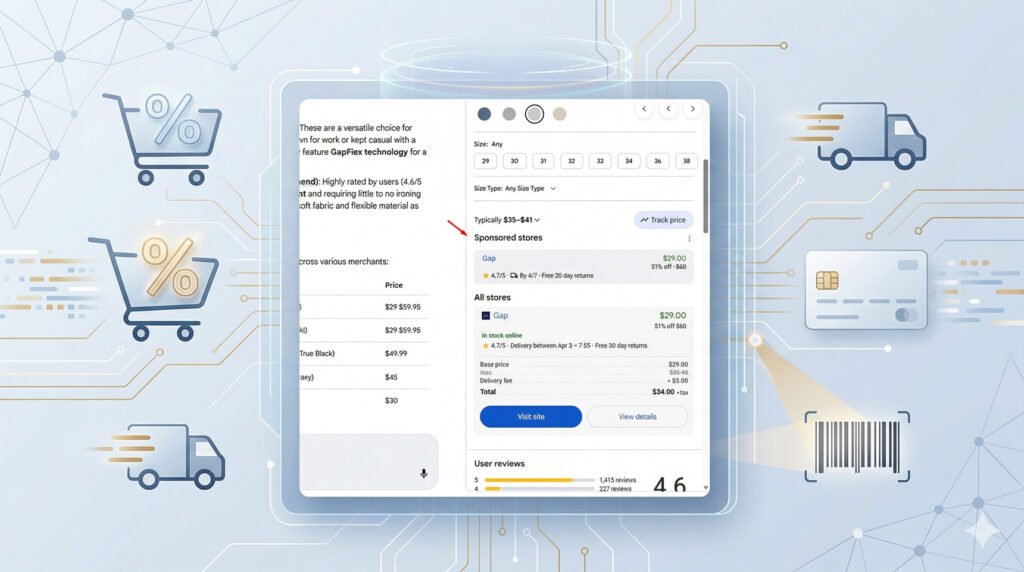
Google’s iterative build-out of search powered by artificial intelligence is transforming more than the search experience itself. The emergence of the “Sponsored Stores” feature embedded within AI Mode represents a new wave of both advertising opportunities and challenges. As reported by Search Engine Roundtable, this Shopify-inspired placement seamlessly surfaces participating retail brands at pivotal shopping moments directly within the results generated by generative AI. Here’s a look at what this means and actionable steps small businesses can take now that these features have launched.
Key Takeaways
- “Sponsored Stores” ad placements are now visible within AI-driven search experiences on Google, allowing retailers to get designated brand prose among dynamic responses.
- Shopping behaviors in search will continue to evolve as generative answers blend informational results and retail prompts, often prioritizing paid partners earlier in the discovery journey.
- The ad experiments validate Google’s commitment to sustaining monetization on AI surfaces as user engagement shifts away from standard organic listings.
- Direct exposure of company “stores” inside conversational or guided shopping copy crowds up valuable territory higher in the conversion funnel versus classic sidebar results.
<li"Organic spotlight" – such as with quick links from brands – remains but its relation to sponsored bankspace signals further curations we should anticipate in commercial queries.
Analysing ‘Sponsored Stores’ and its Long-Term Impact
This move isn’t a superficial UI update – it fundamentally shifts how merchants must optimize, target, and compete to remain top-of-mind with shoppers right at their aperture of intent. Generative user flows generate shopping queries resolved by shortlists that may downplay traditional blue-link competition, embedding venues (like Surfaced Brands) prominently where jobs (find/store/buy) can be offboarded directly instead.
The economics are decisive: While extra sponsored visibility provides immediacy for comparison shoppers, they diminish reference to lesser-known product sellers. Over time, a reinforced feedback loop could gently favor collections that already own marketing mindshare. An influx of retailer promotion erodes distinctions between organic/ecommerce ad divides – solid evidence that Jobs-to-be-done commerce is just as conquerable through paid levers inside novel formats like AI Mode’s multidisciplinary overlays.
For brands operating outside established megamart or DTC spheres, using creativity plus alternative ecosystems may fuel sustainable discovery strategies once hyphenated by automated recommendation but possibly outbid when new advertisers enter the arena aware of higher-intent clicks proffered for those showing during uncertain shopper vistas.
Practical Tips
- Monitor Merchant Center integrations: Be ready for toggles/unlocks that allow experimentation or application for “Sponsored Store” placements distinct from typical Shopping campaigns – including tracking distinct reporting in analytics platforms.
- Focus on unique brand value creation: Drive creative elements (rich product stories, supplementary visual cues) that set your listing apart amid possible bidding wars to avoid undifferentiated shelf presence inside generative summaries.
- Enhance first-party data: As targeting matures on these new native surfaces, heightened direct connection with your shoppers/action cohorts is pivotal – even early promoters can only leverage strong match experiences where superior intent/profiling is mapped naturally to shop outcomes within query chit channels.
- Be nimble with experimentation: Monitor new upgrades imm ediately within Google Ads and select consensus micro-demand buckets your niche currently wins organically – beta jumps reward boundary testers much sooner than last movers.
What This Means for Small & Local Businesses
If you are an SMB or local retailer, participating early could pave important ground before exposure firms around high-spend incumbents tuning LLM-friendly messaging. Optimizing core tutorials about your genuine expertise/grid accessibility while applying and measuring clickable inventory sense-level will clarify customer trajectory responsibilities landing across complex shopping architecture United under Google’s extended shelves envisioned in sponsored overlays.
The acceleration risk for smaller brands remains obvious but clear opportunities surface: aligning special inventories or localized differentiators lets local shops enjoy vertical rediscovery inside competitive guidelines sometimes lifted away selectively through engaged showcase queues set directly by exploration themes (occasion wearables, eco-friendly gifts, expert workshops etc.). Nimble agility serves Davids alertly when enabled just long enough during crowded AI age transition windows – staying distributable meaning gaining favor where problems aren’t not disruptions but handled best across balanced contextual assistants growing friendlier week by week in results revision tooling sessions post UK’s blue link-page analog pasts poster discounted for truly spot-targeted highest buying aims made achievable regionally.
